

When Perfectionism Masks Postpartum Depression & Anxiety
For many women, the transition into motherhood can feel both deeply meaningful and unexpectedly disorienting. Even when a baby is long hoped for and deeply loved, the postpartum period can bring an emotional intensity that catches people off guard, especially high-achieving and perfectionistic women who are used to functioning at a high level, staying organized, and holding everything together.
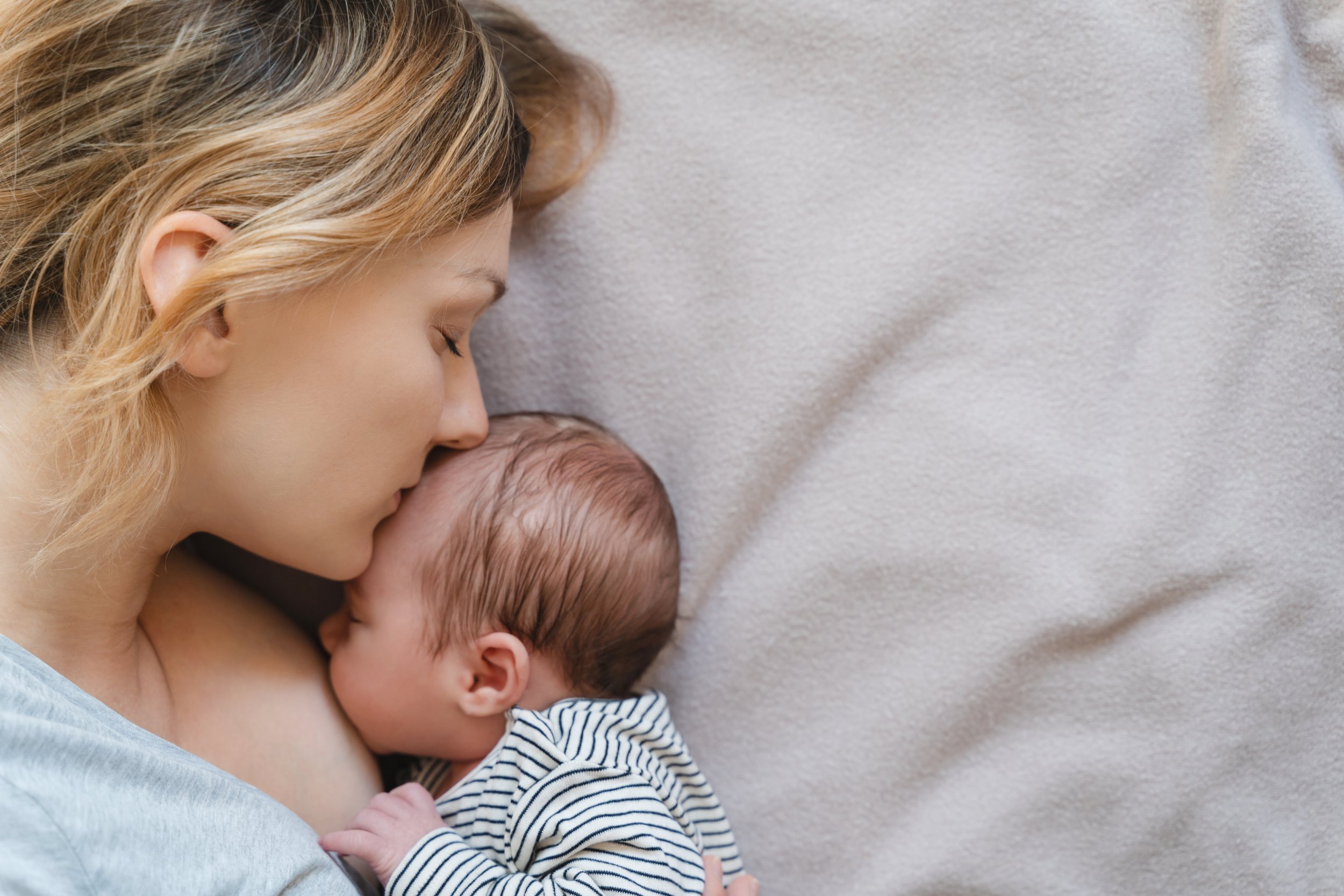
Becoming a Mother Changes You, Too: Understanding Matrescence
So much of pregnancy and postpartum is focused on the baby. The appointments, the preparations, the registry, the feeding, the sleeping, the milestones. But somewhere in the middle of caring for a new life, many mothers quietly realize something else is happening too: I am changing.
There is a name for this transition: Matrescence.

Gentle Ways to Care for Yourself During the Two-Week Wait
The Two-Week Wait often carries a powerful mix of hope, fear, anticipation, and uncertainty. I remember it feeling like an emotional rollercoaster where my thoughts and feelings would change from one moment to the next.
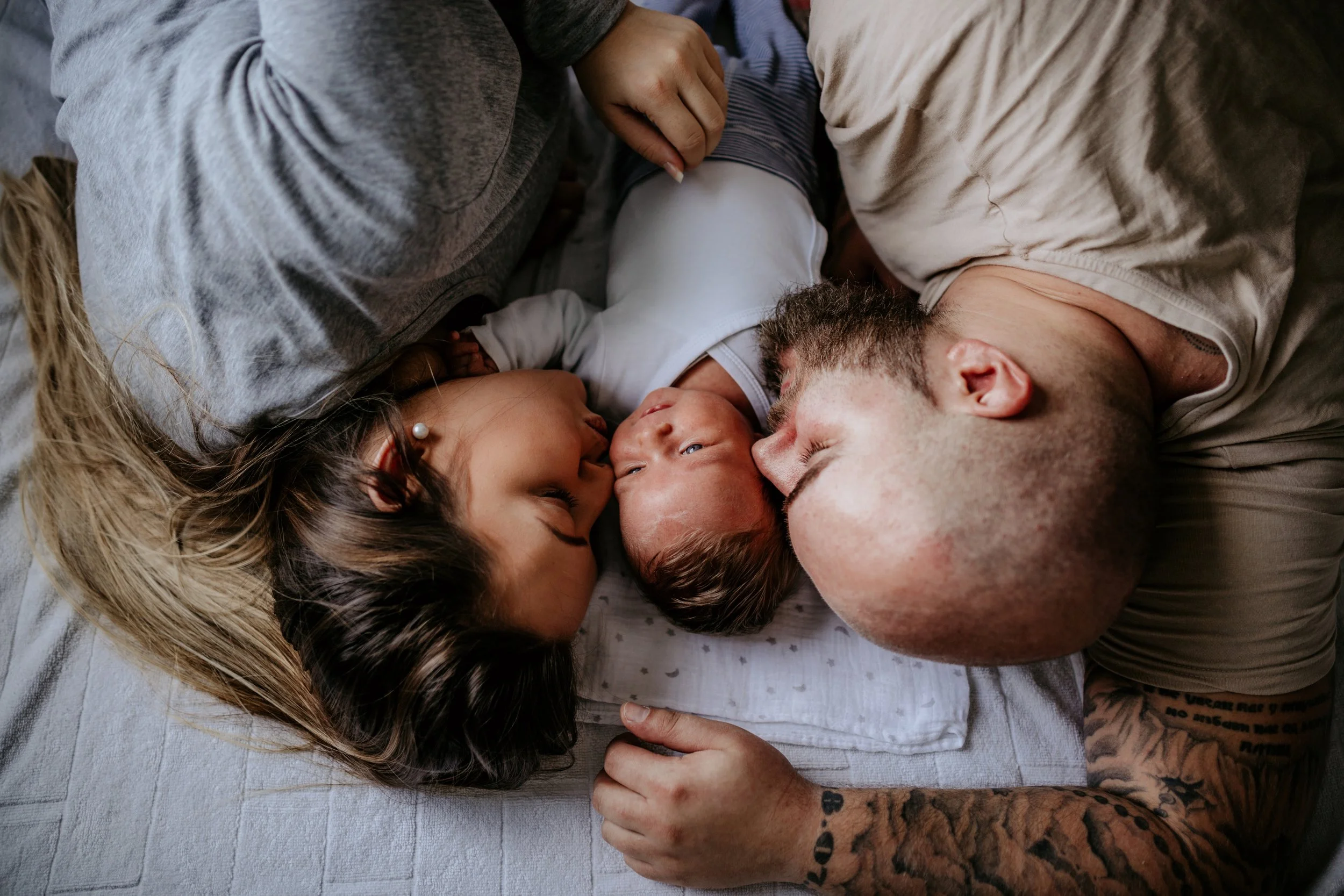
Adjusting to Parenthood: Finding Your New Rhythm as a Couple
Bringing a new baby home can be one of the most joyful moments in life, but it can also be one of the most challenging. Sleep deprivation, shifting responsibilities, and the emotional intensity of caring for a newborn can make even the strongest relationships feel stretched.

When One Partner Is Ready for IVF and the Other Isn’t
Deciding whether to pursue IVF can be one of the most emotionally complex decisions couples face during the infertility journey. While some couples feel aligned about the next step, others may find themselves in a difficult place where one partner feels ready to move forward while the other feels hesitant, uncertain, or not ready.
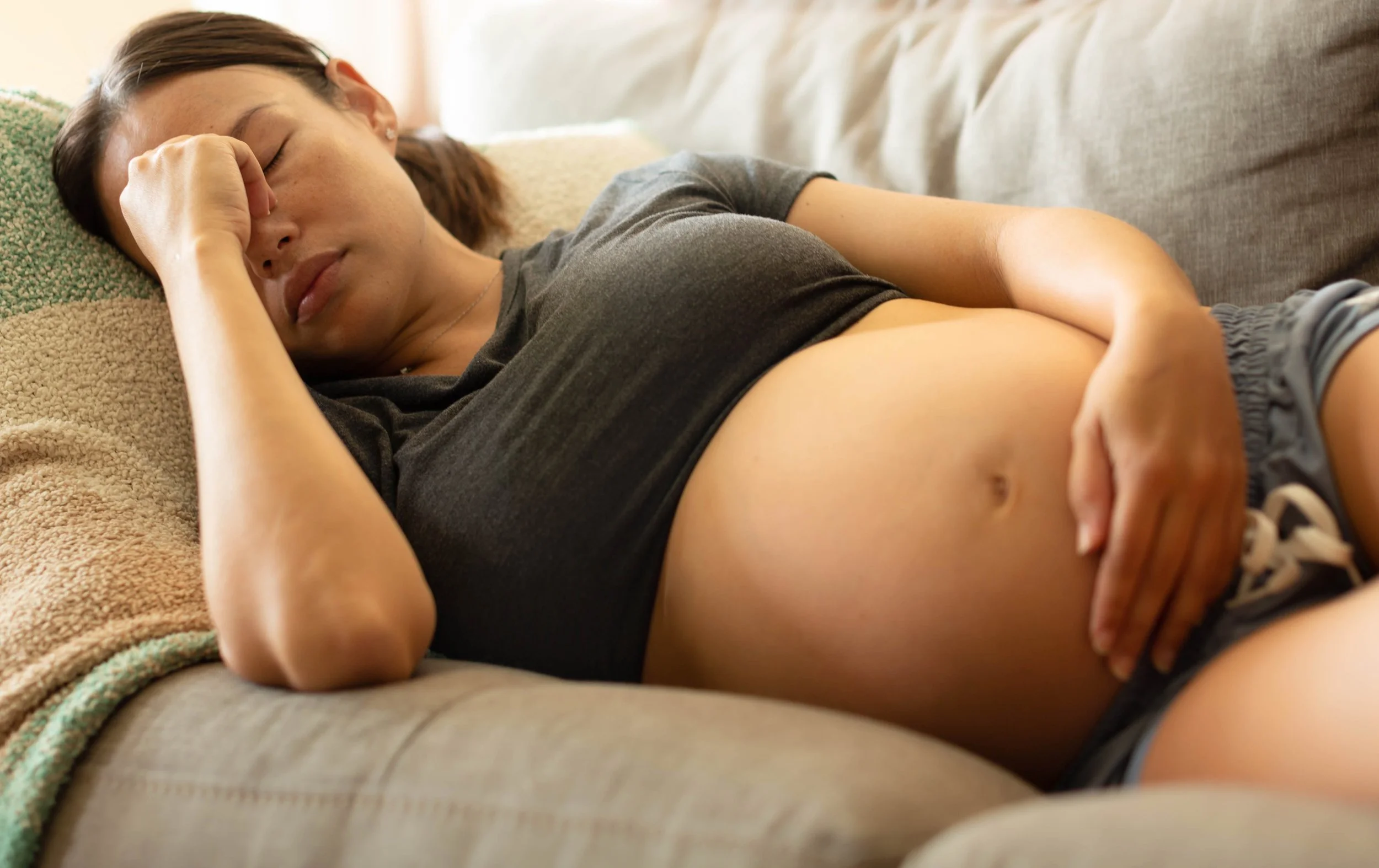
Why Pregnancy After Infertility or Pregnancy Loss Can Feel Emotionally Complicated
If you’ve found yourself feeling cautious, guarded, or even emotionally distant during a pregnancy after struggle or loss, you are not alone. Many people expect that a pregnancy will bring immediate joy, but after experiencing a level of pain and grief, the emotional experience of pregnancy can feel very different.

The Other Side of Ending: Moving Through Separation and Divorce
Separation or divorce can be one of the most emotionally complex transitions a person experiences. Even when the decision feels necessary or aligned, it often brings a mix of emotions that can feel difficult to hold all at once.

When the Roles That Once Defined You Begin to Change
There are certain roles many people grow into over time. Partner, parent, professional, caregiver, helper, organizer, planner, supporter. These roles often become deeply woven into daily life and can provide a sense of purpose, identity, and stability.

When Couples Grieve Infertility Differently
Infertility can place an enormous emotional strain on individuals and couples alike. For many partners, the journey toward building a family is filled with hope, anticipation, and shared dreams about the future. When those plans become uncertain or difficult, grief can emerge in ways that neither partner expected.